
Home /Blog / Top Cybersecurity Skills to Train for When Setting Up a Center of Excellence
Cybersecurity essentials play a vital role in today’s digital world. EC-Council’s training programs have earned the trust of over 160,775 learners from 113+ countries who want to build their security skills. Cyber threats keep evolving faster than ever, and organizations need a strong security foundation to protect their critical assets.
Building a Cybersecurity Center of Excellence starts with understanding core security essentials to create an effective defense framework. Training programs, including Cisco Cybersecurity Essentials, have received excellent feedback, with 65% of participants giving them 5-star reviews. Security professionals have spent more than 64 million minutes watching cybersecurity training content, which shows how much specialized knowledge matters.
Here we will help you find the most valuable cybersecurity skills to focus on – from ethical hacking fundamentals to cloud security protocols. Instructors with unique real-life cybersecurity experience deliver complete training that can improve your organization’s security stance. These insights will guide you to identify the critical skills your team should develop, whether you’re creating a Center of Excellence from scratch or improving an existing framework.


Ethical hacking is the lifeblood of modern cybersecurity defense strategies. Studies show that organizations are attacked by cybercriminals every 39 seconds. Your Center of Excellence needs to understand these offensive security techniques to build truly resilient systems.
White-hat hacking (ethical hacking) is authorized security testing done with the system owners’ full permission. Unlike malicious hackers, white-hat hackers document weaknesses and offer advice to improve your organization’s security. This proactive method helps you spot and fix weaknesses before attackers can exploit them.
The tools used in criminal and ethical hacking might be similar, but the motivation and authorization set them apart. Ethical hackers work within legal limits and get explicit permission to test systems, networks, and applications. This authorized testing creates a safe space where you can find vulnerabilities without putting your organization at risk.
Your Center of Excellence gains several vital benefits from ethical hacking. The process helps manage risks by showing which parts of your IT ecosystem attract attackers most. This knowledge lets you distribute security resources more strategically.
Ethical hacking helps you stay compliant with data security rules like HIPAA and GDPR. Data breaches now cost about INR 357.77 million – the highest ever recorded. The cost of proactive testing is tiny compared to potential breach expenses.
The core team gets practical insights into fixing security gaps through ethical hacking. This results in fewer security problems and lower cyberattack costs. Research shows 92% of hiring managers prefer job candidates with ethical hacking certifications for specialized roles.
Your Center of Excellence needs expertise with these essential tools:
Ethical hacking follows structured methods through five phases: reconnaissance, scanning, enumeration, exploitation, and post-attack activities. Teams gather information, look for vulnerabilities, analyze entry points, test exploits, and document their findings during implementation.
Training in ethical hacking is vital for your Center of Excellence. EC-Council’s programs have trained over 160,775 learners in 113+ countries. Professionals have spent more than 64 million minutes learning cybersecurity content.
Newcomers should start with the Ethical Hacking Essentials (EHE) program. It teaches fundamentals and offers hands-on labs. Experienced professionals might prefer Cisco’s Certificate in Ethical Hacking, which builds offensive security skills through practical challenges.
Online courses give your team flexibility. Instructor-led training provides direct access to experts who can explain content and theory. Pick training that includes hands-on labs matching real situations.
Two certifications stand out in ethical hacking:
The numbers speak clearly – 91% of professionals say CEH gives them an edge over other certifications. About 99% say these credentials helped their careers grow. Jobs for penetration testers will grow 33% from 2023 to 2033, much faster than average.
Ready to boost your organization’s security with ethical hacking? Check out our detailed cybersecurity resources to build these essential skills in your Center of Excellence.
Network defense serves as the protective backbone of any cybersecurity framework. Research shows cybercrime costs will likely reach INR 885.99 trillion annually by 2025. Organizations must set up strong defense mechanisms to protect their digital assets as threats keep evolving.
Network defense includes various practices that protect computer networks from unauthorized access and malicious threats. Security rules help monitor and control network traffic to ensure networks stay confidential, intact, and available. These strategies create multiple protective layers that work together to detect, prevent, and respond to security incidents.
The main goals of network defense rest on three core principles: confidentiality (keeping information available only to authorized users), integrity (stopping unauthorized data changes), and availability (keeping systems and data accessible to legitimate users). These principles are the foundations for all network security measures.
Your organization’s ability to protect critical assets depends on having strong network defense capabilities in a Cybersecurity Center of Excellence (CoE). 68% of business leaders say their cybersecurity risks keep growing. This growth makes specialized expertise crucial for your CoE.
A well-laid-out defense strategy helps your CoE tackle all threats modern networks face. Studies show cybersecurity professional demand grows at 31% through 2029—far above average occupations. Your CoE can contain breaches, reduce attacker movement, and minimize damage by implementing a complete network defense.
Systems face easy compromise without proper network defenses. Attackers can steal sensitive data or disrupt operations. Your CoE should build multi-layered protections against current and future threats.
These technologies should be part of a “defense in depth” strategy that provides layered protection. NSA’s Top Ten Mitigation Strategies stress immediate software updates, privilege defense, signed software execution policies, and system recovery plans as key parts of effective network defense.
Several training options can help build expertise in your CoE:
The Fortinet Training Institute runs complete programs that have given over 1.8 million certifications. Their courses cover network security basics like intrusion detection, firewall setup, and secure network design.
Practical Network Defense training explains how to protect computer networks with focus on real-life use. These programs usually cover network hardening, defense layers, IDS/IPS setup, firewalls, VPNs, honeypots, and network monitoring.
Programs with hands-on labs let participants practice using common tools like OPNsense firewalls, Kali virtual machines, Graylog log managers, and vulnerability assessment platforms.
Your CoE team can verify their network defense skills through several certifications:
Your team will spot suspicious network traffic, set up proper segmentation, and handle security incidents better after getting these certifications.
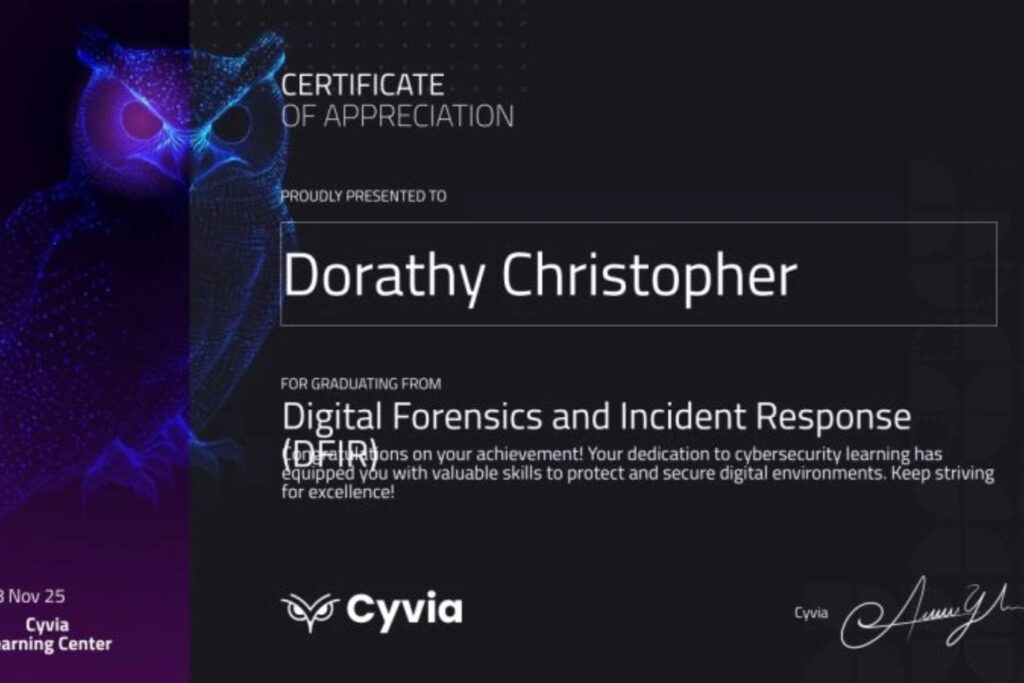
Digital forensics serves as the investigative foundation of effective cybersecurity. The global digital forensic market will reach USD 18.2 billion by 2028. Your Center of Excellence (CoE) needs this discipline to learn about, break down, and fix security incidents after they happen.
Digital forensics is a branch of forensic science that recovers and breaks down material found in digital devices linked to cybercrime. What started as computer forensics has grown to cover the investigation of any device that can store digital data.
The process follows a clear method: spotting, preserving, analyzing, and documenting digital evidence that may need to be presented in court. This process helps your team uncover digital footprints – details about someone’s activities on a system. These include visited webpages, active periods, and how they used the device.
You can think of digital forensics as a black box recorder for cyber incidents. The rules stay the same no matter how complex an investigation gets: find evidence, keep it intact, analyze it, document everything, and tell the story of what happened.
Your CoE needs digital forensics to support your security measures. It helps you respond to incidents fast by quickly spotting security breaches. Quick detection limits attack damage, cuts data loss, and stops further theft.
Digital forensics also reveals attackers’ identities and motives. This knowledge strengthens your cybersecurity defenses against specific threats. The intelligence helps improve your security by finding weak spots in your systems and procedures.
Digital forensics does more than clean up after attacks – it prepares you for them. When you combine it with monitoring, response, and investigation workflows, each attack makes you stronger. Digital forensics turns unknown threats into clear, actionable information.
Digital forensics has several specialized areas that work together to build a complete digital evidence chain:
Each area needs specific tools. Free options include The Sleuth Kit to extract data from computer systems, FTK Imager to preview data and create forensic images, and Xplico for network analysis. Paid solutions include CAINE, EnCase, and special Linux versions for forensic analysis.
The process has five main steps: finding what happened, gathering evidence, analyzing it, creating a timeline and report, and explaining findings to stakeholders.
Building your CoE’s forensic skills starts with good training. The EC-Council’s Computer Hacking and Forensic Investigator (CHFI) program teaches a step-by-step approach to computer forensics. It covers searching, seizing, getting, storing, analyzing, and reporting digital evidence. The program uses real-life investigation cases to give hands-on experience.
SANS Institute offers specialized programs. FOR498: Battlefield Forensics and Data Acquisition teaches digital acquisition, data handling, and quick identification for evidence preservation. FOR500: Windows Forensic Analysis takes a closer look at Microsoft Windows operating systems.
Look for programs with hands-on labs where your team can practice with actual forensic tools. This practice ensures they can use their knowledge confidently during incidents.
Your team can verify its forensic expertise through several certifications:
Digital forensic analysts usually start with a bachelor’s degree in digital forensics, cybersecurity, or criminal justice, then get certifications. The SANS Technology Institute’s undergraduate certificate program offers a faster path with four courses and four GIAC certifications.
Start building these essential capabilities within your cybersecurity Center of Excellence by accessing digital forensics resources and training materials at https://progrow.co.in/.
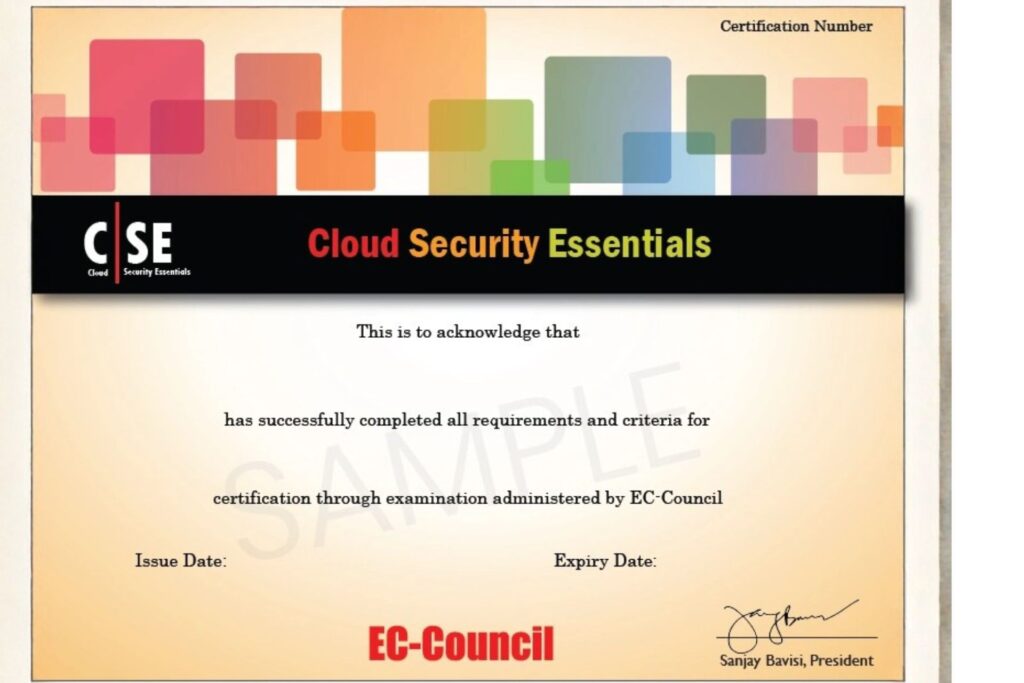
Cloud adoption continues to accelerate worldwide. Global spending will likely exceed INR 168.76 trillion by the end of this decade. Your Center of Excellence (CoE) needs strong cloud security skills to protect your organization’s sensitive digital assets effectively.
Cloud security includes technologies, policies, and controls that protect data, applications, and infrastructure in cloud environments. This protection framework works across Infrastructure as a Service (IaaS), Platform as a Service (PaaS), and Software as a Service (SaaS). You can implement it in public, private, or hybrid cloud setups.
Cloud security builds on three core principles: confidentiality keeps data private, integrity ensures data remains unaltered, and availability maintains access for authorized users. These principles guide security measures like data encryption, identity and access management, threat detection, and compliance management.
The shared responsibility model serves as the lifeblood of cloud security that splits security duties between the cloud service provider (CSP) and your organization. Providers secure the underlying infrastructure—hardware, networking, and physical data centers. You protect your data, applications, and user access.
Cloud security capabilities directly affect your organization’s risk posture. Data breaches now cost an average of USD 4.88 million globally [link_2]. U.S. breaches cost USD 9.36 million—almost four times more than India’s USD 2.35 million. These numbers show the huge financial risk of weak cloud security.
A well-built Cloud CoE boosts security by ensuring the secure deployment of cloud-based applications and services. Your CCoE can help prevent security breaches and vulnerabilities by creating security guidelines and best practices.
Cloud security supports three vital business functions. It helps meet regulatory compliance with standards like GDPR and HIPAA. It ensures business continuity through data backup and disaster recovery. It manages costs by preventing expensive security incidents.
Your CoE should master several specialized tools and technologies to secure cloud environments:
Data Security Posture Management (DSPM) tools monitor and secure data across cloud environments. API security practices protect connections between different software applications and services.
Several training paths can help build cloud security expertise in your CoE. Basic courses cover cloud computing basics, identity and access management, data protection, network security, application security, security monitoring, risk assessment, and compliance.
EC-Council’s Cloud Security Essentials (CSE) program provides structured learning of cloud security fundamentals. Coursera’s Cloud Security Basics course teaches classic security techniques through case studies and hands-on projects.
AWS Security Fundamentals offers complete training. It teaches core concepts, including access control, data encryption, and network security specific to AWS environments. These programs offer self-paced online options or instructor-led training with hands-on labs.
Your CoE team should know about two globally recognized cloud security certifications:
AWS Security Specialty, Google Cloud Security Engineer, or Microsoft Azure Security Engineer (AZ-500) certifications validate platform-specific expertise. These align with your organization’s technology stack.
Cloud security brings clear benefits in many scenarios:
Identity and Access Management (IAM) guards your cloud environment by verifying identities and controlling permissions. It reduces risks from internal and external threats through multi-factor authentication, single sign-on, and lifecycle management.
Cloud Security Posture Management (CSPM) helps organizations track all cloud resources and manage their security postures through constant monitoring. This visibility enables quick identification of misconfigurations and automated problem-solving.
Incident detection and response systems use cloud Security Information and Event Management (SIEM) solutions. These solutions feed logs from all cloud services into a central analytics engine. They associate login failures, API call anomalies, and unusual data transfers to detect threats at scale. Automated response workflows isolate compromised instances when threats appear.
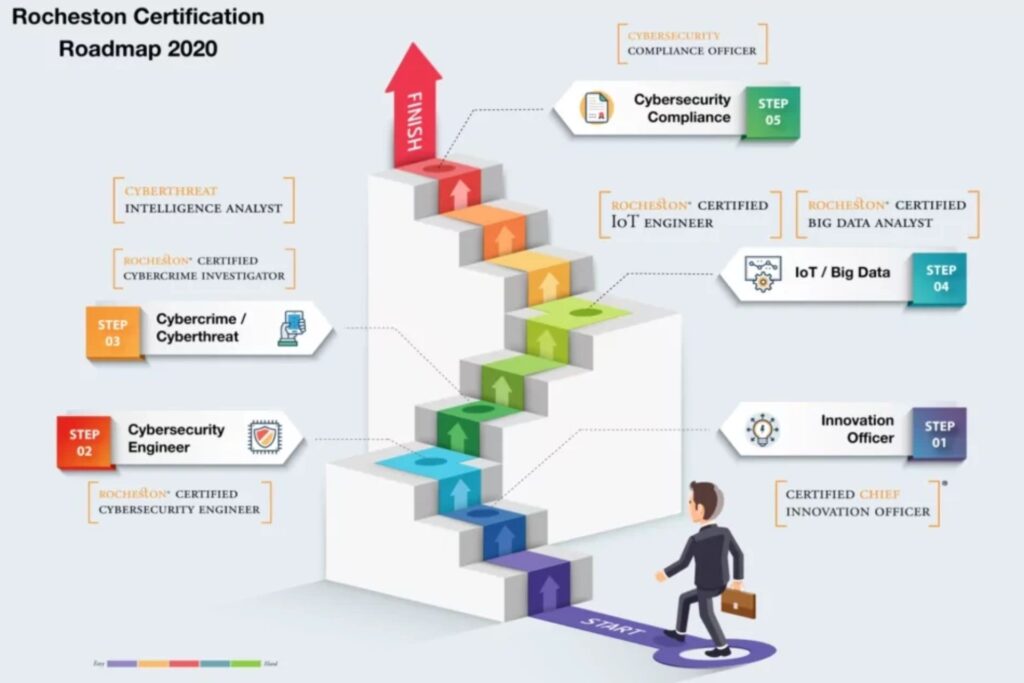
Threat intelligence acts as the proactive brain of cybersecurity operations. 91% of organizations now use threat intelligence to improve their security posture. Your Center of Excellence (CoE) can turn raw data into applicable information that strengthens your defensive capabilities.
Threat intelligence represents evidence-based knowledge that provides context, mechanisms, indicators, and action-oriented advice about current and emerging threats. It covers both an entire discipline and a process that uses data collection and analysis from threat history to block and fix cyberattacks.
The threat intelligence lifecycle has six connected phases: planning and direction, collection, processing, analysis, dissemination, and feedback. This structured approach helps you turn scattered threat data into coordinated defense strategies. Information becomes intelligence only after proper analysis and context.
Threat intelligence breaks down into three distinct categories:
Your CoE gains several key advantages from threat intelligence. It helps detect potential attacks early by monitoring various sources, including dark web forums and threat actor communications. This proactive approach lets you put preventive measures in place before breaches happen.
Threat intelligence reveals deep insights into human threat actors’ behavior, tactics, techniques, and procedures. These insights help you anticipate future attacks and adjust defenses. The knowledge helps you prioritize vulnerabilities based on their exploitation likelihood.
Your response capabilities improve substantially when you integrate threat intelligence into your CoE. You can spot threats earlier, reduce false positives, and take faster, more effective action. Threat intelligence turns your security stance from reactive to proactive.
Your CoE needs several specialized tools and techniques to implement threat intelligence effectively:
Threat Intelligence Platforms (TIPs) automate threat investigation by combining and normalizing diverse data sets. These platforms use algorithms and machine learning to spot patterns, anomalies, and potential attack vectors within incoming threat data. This correlation helps catch complex attacks that use multiple stages or hidden techniques.
Security Information and Event Management (SIEM) systems work with threat intelligence to detect and respond to threats live. Well-configured tools can automatically ingest, enrich, and apply threat intel to security operations.
Advanced analysis techniques include Structured Analysis of Competing Hypotheses (SACH) and the Diamond Model Framework to verify and prioritize threat indicators. These methods help you find critical connections between seemingly unrelated security events.
Your CoE team needs specialized training programs to build expertise. SANS Institute offers complete courses like FOR578 Cyber Threat Intelligence that teach tactical, operational, and strategic-level threat intelligence. This training strengthens your ability to assess complex scenarios and establish best practices for security teams.
EC-Council’s Certified Threat Intelligence Analyst (CTIA) program covers essential topics like data analysis, threat analysis methods, threat modeling, and threat attribution. The curriculum teaches you to verify indicators, fine-tune analysis, and automate threat analysis processes.
InfoSec Institute provides a Threat Intelligence learning path with theoretical, practical, and hands-on fundamentals. You’ll learn tools and techniques to turn information into intelligence, apply threat intelligence methods, and study threat actors.
Your CoE can verify threat intelligence skills through these recognized certifications:
EC-Council’s Certified Threat Intelligence Analyst (CTIA) proves expertise in creating threat intelligence from multiple sources. This certification shows proficiency in threat knowledge base creation and in using threat intelligence tools effectively.
SANS GIAC Cyber Threat Intelligence (GCTI) certification matches their FOR578 course and proves the capability to conduct intelligence analysis and produce actionable results. Incident responders and threat hunters highly value this credential.
These certifications prepare your team to collect, process, and analyze data for actionable intelligence reports. The expertise helps identify collection priorities and develop intelligence requirements based on your organization’s specific needs.
Threat intelligence improves multiple security functions in practice:
Security Operations Centers (SOCs) use threat intelligence to turn raw data into applicable insights, which helps detect, prioritize, and respond to threats live. It combines indicators of compromise with adversary tactics to provide contextual awareness for faster threat detection.
Incident enrichment with threat intelligence adds vital context to alerts. Analysts can understand malware families, view WHOIS data, and access passive DNS information. This enrichment cuts investigation time and improves response accuracy.
Proactive blocking through threat intelligence lets you identify and block known malicious domains, IPs, and file hashes before they affect your network. This capability directly improves your preventive security posture.
| Skill Area | Overview | Key Tools & Techniques | Primary Certifications | Market Impact/Statistics |
|---|---|---|---|---|
| Ethical Hacking | Authorized security testing to identify and fix system vulnerabilities |
• Kali Linux • Metasploit Framework • Network Mapping Tools • Wireshark |
• Certified Ethical Hacker (CEH) • Offensive Security Certified Professional (OSCP) |
• Cyberattacks happen every 39 seconds • 92% of hiring managers prefer candidates with ethical hacking certifications |
| Network Defense | Protection of computer networks from unauthorized access and threats |
• Firewalls • IDS/IPS Systems • Network Segmentation • VPNs • SIEM |
• Network Defense Essentials (NDE) • Cisco Network Security Certifications |
• 68% of business leaders see rising cybersecurity risks • 31% growth rate through 2029 |
| Digital Forensics | Recovery and investigation of material found in digital devices |
• Computer Forensics Tools • Mobile Forensics Tools • Network Forensics Tools • Memory Analysis Tools |
• GIAC Certified Forensic Analyst (GCFA) • Computer Hacking Forensic Investigator (CHFI) |
• Market will reach $18.2B by 2028 • Teams solved over 1,500 cases in first year |
| Cloud Security | Protection of cloud-based data, applications, and infrastructure |
• CSPM • CWPP • CASB • CDR • CIEM |
• Certified Cloud Security Professional (CCSP) • Certificate of Cloud Security Knowledge (CCSK) |
• Cloud spending will exceed INR 168.76 trillion • Average breach costs: $4.88M globally |
| Threat Intelligence | Evidence-based knowledge about existing and emerging threats |
• Threat Intelligence Platforms • SIEM Systems • Structured Analysis Tools |
• Certified Threat Intelligence Analyst (CTIA) • GIAC Cyber Threat Intelligence (GCTI) |
• 91% of organizations use threat intelligence • Helps detect potential attacks early |
A successful Cybersecurity Center of Excellence needs mastery of multiple disciplines. The five core skills in this piece – ethical hacking, network defense, digital forensics, cloud security, and threat intelligence – create the foundation of a strong security framework. These skills tackle specific parts of your cybersecurity stance, from hunting threats early to responding when incidents occur.
These skills offer more than just technical security benefits. The Center of Excellence becomes central to keeping your organization resilient, compliant, and running smoothly. Certified experts in these areas bring both hands-on skills and strategic guidance to your security program.
The money you put into these cybersecurity skills directly affects how well your organization can fight sophisticated cyber threats. Numbers throughout this piece show both growing risks and clear benefits of building these capabilities – from lower breach costs to better compliance.
Your security experience doesn’t stop at these five skill areas. Threats keep changing, so ongoing learning matters. Think of your Center of Excellence as something that needs regular updates and improvements. Visit today to learn more and find specialized training for each crucial area.
Remember that good cybersecurity needs both technical skill and strategic thinking. Building a Center of Excellence around these five core skills creates more than just defenses.
Upskilling involves enhancing existing skills within your current field, while reskilling means learning entirely new skills for a different career path. Upskilling typically requires less time and resources, focusing on linear career advancement. Reskilling, however, involves a more substantial investment and prepares you for a complete career transition.
Consider upskilling if you want to advance in your current field, and your industry is evolving gradually. Opt for reskilling if your role faces automation risks, your industry is experiencing disruption, or you’re seeking a complete career change. Assess your long-term career goals and market trends to make the best decision.
Upskilling often involves on-the-job training, workshops, and mentorship programs. Reskilling typically requires more formal education, such as boot camps, cross-training programs, or new certifications. Both can benefit from online learning platforms, hands-on experiences, and setting clear learning objectives.
Track your progress by setting specific, measurable goals and breaking them into achievable milestones. Measure improvements in productivity, skill assessment scores, or the application of new knowledge in work projects. For organizations, success can be reflected in improved employee retention rates and enhanced performance metrics.
Investing in skill development can lead to career advancement, higher job security, and potentially increased earnings. For employees, it provides adaptability in a changing job market. Organizations benefit from improved staff flexibility, efficiency, and innovation. Studies show that companies investing in employee development experience better engagement and retention rates.
ProGrow delivers world-class training and career services, combining expert guidance with hands-on learning experiences.
ProGrow delivers world-class training and career services, combining expert guidance with hands-on learning experiences.