
Home /Blog / Understanding Corporate Culture: Skills That Help You Fit In and Grow

You might be surprised to learn that people spend around 90,000 hours—or one-third of their lives—at work. This represents an enormous chunk of time in any workplace culture. Finding an environment where you can truly thrive becomes a vital priority.
Research reveals that positive workplace cultures help companies generate higher average annual returns. The right cultural fit remains a challenge for many professionals. Generation Z workers demonstrate this trend clearly, as they stay at a company for only about 11 months on average. Your satisfaction, performance, and career growth depend heavily on the culture you work in, not just your job description.
Success in any position demands specific technical abilities. Your ability to adapt and excel within your organization’s unique culture depends on certain soft skills. Companies that focus on employee development understand that fundamental skills are the foundations of both individual growth and organizational success. The right skills and a clear understanding of workplace culture can transform your professional experience, whether you’re searching for a job or aiming to advance in your current role.
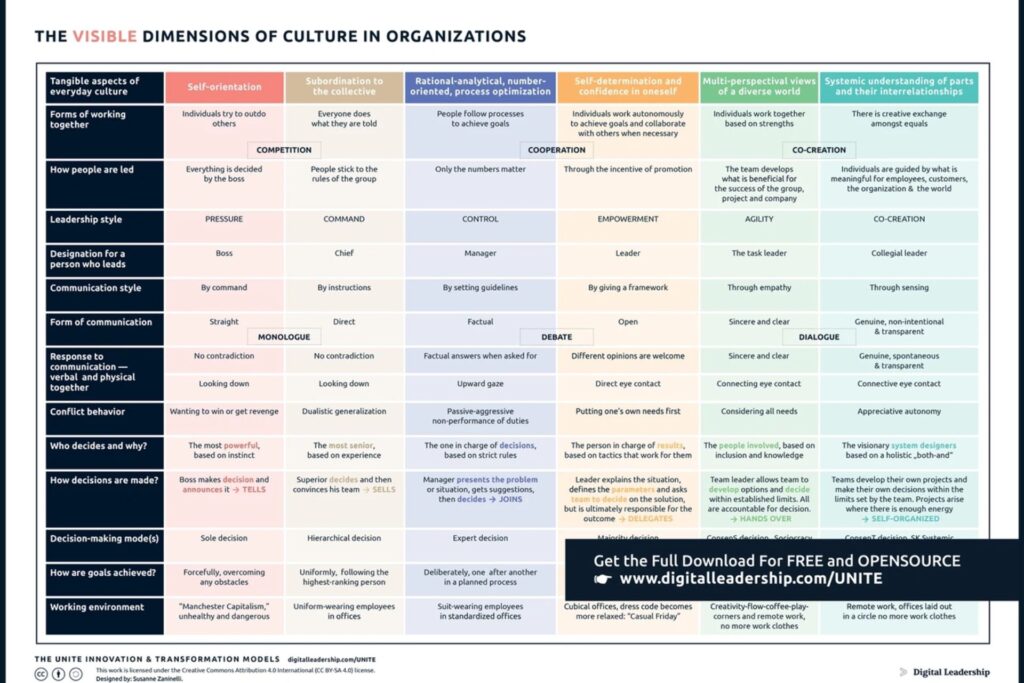
Image Source: Digital Leadership
People often mix up perks with culture. Free lunches, ping-pong tables, and unlimited vacation days don't automatically create a positive work environment. These benefits remain superficial and don't address what really matters. Research shows toxic workplace cultures have cost U.S. employers approximately INR 18816.84 billion over five years due to employee turnover. Employees who dislike their work environment end up in a "golden handcuffs" situation—they stay for the benefits but remain unhappy with the actual culture.
Job descriptions tell you what you'll do, but culture shapes how you'll do it and who you'll become professionally. Your working life changes across cultures—from job satisfaction to productivity and retention. Research shows employees who match their company's values are 4 times more likely to be engaged. The data also shows professionals who connect with their organization's culture are 62% less likely to burn out and 43% less likely to look elsewhere. A healthy work culture ranks high on the priority list, with 88% of job seekers rating it vital to success.
Different organizations demonstrate workplace culture in unique ways: Open communication culture: Companies that listen to their employees are 12 times more likely to keep them. Employees speak freely and give feedback without fear in these environments. Purpose-driven culture: Employees unite through shared altruistic values to improve the world beyond profit, finding deep meaning in their daily work. Learning culture: Organizations put growth first and celebrate employees who build new skills. Results culture: Clear expectations and accountability define these environments where meeting targets matters most. Technology company UKG welcomes new employees warmly from day one, showing they truly care about their staff. Patagonia takes work-life balance seriously—employees can leave work during office hours if the surfing conditions look good.
Different organizations demonstrate workplace culture in unique ways: Open communication culture: Companies that listen to their employees are 12 times more likely to keep them. Employees speak freely and give feedback without fear in these environments. Purpose-driven culture: Employees unite through shared altruistic values to improve the world beyond profit, finding deep meaning in their daily work. Learning culture: Organizations put growth first and celebrate employees who build new skills. Results culture: Clear expectations and accountability define these environments where meeting targets matters most. Technology company UKG welcomes new employees warmly from day one, showing they truly care about their staff. Patagonia takes work-life balance seriously—employees can leave work during office hours if the surfing conditions look good.
The right workplace fit goes beyond job duties. You need to understand the environment where you’ll spend countless hours. Your cultural compatibility depends on several key areas.
Psychological safety is the foundation of healthy workplace cultures. You should feel comfortable showing up as yourself, embracing vulnerability, and receiving support rather than judgment. Teams thrive when this safety lets creative problem-solving and strategic thinking flourish.
The best environments let employees speak freely and admit mistakes without fear. They share ideas openly. Teams with high psychological safety perform better and face less interpersonal conflict. Everyone feels they can provide honest feedback and speak truth to power in this innovative, stronger community.
Great team dynamics create spaces where you feel valued for who you are, not just what you do. Your sense of belonging matters deeply. Employees who feel they belong are 3 times more likely to look forward to work and 5 times more likely to stay long-term.
Watch how team members interact with each other. Do they communicate well? Do they understand each other as individuals? Do they appreciate different contributions? Companies with clear communication and mutual respect keep their employees longer. The Harvard Business Review found that businesses lose about INR 1307.90 million yearly due to poor team performance.
Your interview gives you the chance to assess cultural fit. These thoughtful questions can help:
These questions show your interest and reveal vital information about the organization’s values and practices. You want to find alignment between your working style and the company’s expectations.
Leaders shape the organization’s culture through their daily actions. They determine how employees interact and work together. Watch for leaders who show consultative, supportive, and appropriately challenging styles.
The best leaders build trust through transparency, active listening, and respect. Their teams feel safe to express ideas. Notice if leaders include team members in decisions. Autocratic leadership styles often create fractured dynamics and low morale.
Success at work requires more than technical expertise. The World Economic Forum reports that analytical thinking remains the most sought-after skill. Several emotional intelligence skills have climbed into the top 10 core competencies. These adaptability skills serve as your professional toolkit. They help you connect with colleagues, overcome challenges, and make meaningful contributions to your organization.
Good communication serves as the foundation for workplace success. Open and transparent communication helps promote employee loyalty and increases involvement. Active listening shows respect for others’ time and creates psychological safety. You must focus completely on what others say rather than just hearing the words. Studies reveal that companies with strong communication have lower turnover rates.
Emotional intelligence (EI) lets you recognize, understand, and manage emotions—both yours and others’. Research shows only about 36% of people possess this critical skill. Employees with high EI earn approximately INR 2,447,033 more annually than their low-EQ colleagues. The five key components include self-awareness, self-regulation, motivation, empathy, and social skills. These skills help build better workplace relationships and handle stressful situations effectively.
Today’s workplace demands adjusting to new circumstances without losing productivity or morale. Change might feel uncomfortable, but embracing it shows your value as a team member. You demonstrate adaptability by accepting new challenges, learning continuously, communicating well during transitions, and solving problems creatively.
Self-awareness means understanding how your thoughts, feelings, and actions match your stated values. Research shows only about 15% of people have sufficient self-awareness. Trust and integrity grow in professional relationships when you take responsibility for both successes and failures without excuses.
Unresolved workplace conflicts increase stress, decrease satisfaction, raise absenteeism, and lower productivity. Strong conflict resolution skills turn potential disagreements into opportunities for growth. These skills include active listening, assertiveness, composure, empathy, and problem-solving. Research reveals that 23% of respondents quit their jobs because of workplace conflict. This highlights how collaborative problem-solving matters for personal and organizational success.
Leadership is the life-blood of any organization's culture. Research shows 70% of employees' workplace experience ties directly to their manager's behavior. Organizations need leaders who set clear values and behaviors that guide their teams' actions.
Leaders who practice what they preach create waves of positive change throughout their organizations. This builds trust and gets teams more involved. Great leaders create positive environments where team members feel valued and driven to succeed. They don’t just say “You can do this.” These leaders step up with “We can do this together,” which builds real connections and team spirit.
Teams work better when they have the freedom to make decisions. This improves their work-life balance, keeps them engaged, and makes them stay longer. The numbers back this up – 79% of employees are more engaged in organizations that give them autonomy. Companies that trust their people see more creativity and better results because employees feel valued. Trust builds a positive workplace culture and makes people take ownership of their work.
People do their best work when they feel part of something bigger. Over 70% of U.S. employees say connecting with their company’s culture and values drives their best performance. Teams work better together and get more done when they share a common purpose. PwC puts this into practice by having new employees take a purpose assessment on day one to help them feel like they belong.
Companies can’t ignore professional development. About 86% of professionals would switch jobs for better growth opportunities. Organizations that focus on learning are 92% more likely to create new ideas, 52% more productive, and 17% more profitable. Investing in employee growth shows you care about their future and helps build stronger teams. Training an internal employee costs around INR 1687609.02 – which saves about INR 9788132.29 per person over three years compared to hiring someone new.
Your values should line up with your workplace culture. This match is vital for professional satisfaction. Throughout your work experience, you’ll need to decide where to spend those 90,000 hours of your working life. You’ll thrive when you have both technical skills and cultural compatibility with your organization.
The core team’s behavior, psychological safety, and team dynamics show how well you’ll fit in culturally. You should ask thoughtful questions about feedback and growth opportunities during interviews. This helps reveal if a company’s environment matches your working style.
Success in any organization needs specific adaptability skills. Strong communication and emotional intelligence create meaningful connections with colleagues. When you welcome change instead of resisting it, you become more flexible. Trust grows through accountability, while good conflict resolution turns disagreements into chances for growth and teamwork.
Leadership actions shape workplace culture. Companies that focus on autonomy, purpose-driven work, and professional development build environments where employees feel valued. This motivation helps them perform their best.
Take time to review how well your current workplace culture supports your goals before looking at new opportunities. A good cultural fit equips you to be authentic at work. You can contribute meaningfully and grow both personally and professionally.
ProGrow has individual-specific professional development programs that improve your adaptability. These programs are a great way to get the skills you need in today’s ever-changing work environments.
Corporate culture is the personality of an organization, encompassing its values, beliefs, and behaviors. It’s crucial because it affects employee satisfaction, productivity, and retention. A positive culture can lead to higher engagement, better performance, and increased innovation within a company.
Look for signs of psychological safety, positive team dynamics, and a sense of belonging. During interviews, ask questions about feedback processes, growth opportunities, and how success is defined. Observe leadership behavior and how employees interact to gage if the environment aligns with your working style and values.
Key skills include effective communication, emotional intelligence, flexibility, accountability, and conflict resolution. These help you connect with colleagues, navigate challenges, and contribute meaningfully to your organization. Developing these skills can significantly enhance your ability to thrive in various work environments.
Leaders play a crucial role in shaping culture by leading by example, creating space for autonomy, encouraging purpose-driven work, and investing in professional development. Their actions and decisions set the tone for the entire organization, influencing how employees interact, work, and grow within the company.
Finding the right cultural fit can lead to increased job satisfaction, better work-life balance, and improved career growth opportunities. Employees who align with their company’s culture are more likely to be engaged, productive, and committed to their roles. This alignment can result in lower stress levels, higher retention rates, and overall professional fulfillment
ProGrow delivers world-class training and career services, combining expert guidance with hands-on learning experiences.
ProGrow delivers world-class training and career services, combining expert guidance with hands-on learning experiences.